NEWS
How did Chopin play – vol. 5
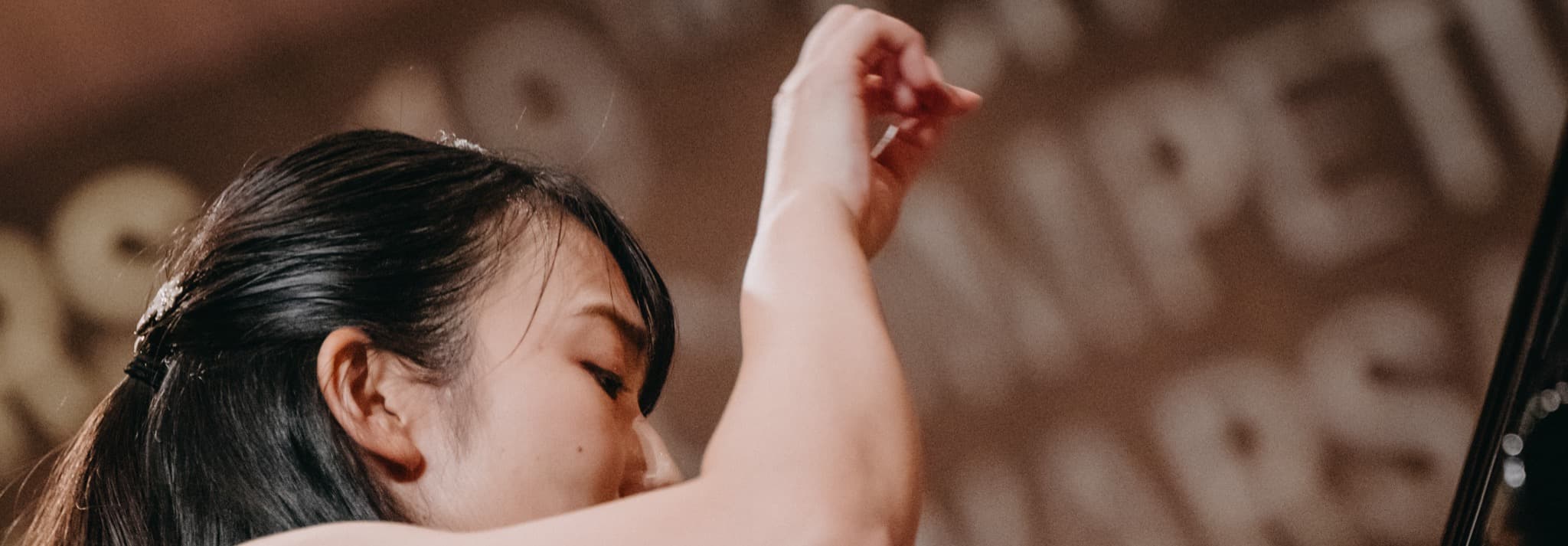
‘Chopin’s tempo rubato holds a mystery of interpretation that remains unfathomable to this day, despite numerous attempts to define and explain it,’ writes Professor Irena Poniatowska in the excellent anthology Wdzięk afektu. Teksty o tempo rubato [The Grace of Affect: Texts on Tempo Rubato]. ‘When describing Chopin’s own performances, metaphors have been used primarily, beginning with Liszt, who explained them to the Russian pianist Ivan Neilissov: “Look at these trees. The wind plays in the leaves, stirs up life among them, the tree remains the same, that is Chopinesque rubato.”’
Rubato literally means ‘stolen’ – and this method of shaping the rhythm and tempo of a piece is characteristic of folk music and operatic bel canto, among other things – two very important sources of Chopin’s inspiration. In short, we can say – still quoting Professor Irena Poniatowska – that rubato is ‘maintaining a rigorous rhythm in the left hand and a free flow, i.e., strengthening and weakening, speeding up and slowing down the notes of a melody, and embellishing it with ornaments in the melodic layer, in the right hand.’
It's easy to imagine that one shouldn’t overdo the use of such an expressive performance technique – and such a tendency was often, and sometimes still is, displayed by inexperienced or simply overzealous performers. Chopin placed great importance on ensuring his students fully understood the entire concept. ‘[He] required adherence to the strictest rhythm, hated all lingering and dragging, misplaced rubatos, as well as exaggerated ritardandos. “Je vous prie de vous asseoir” [Please take a seat] he said on such an occasion with gentle mockery’ – Friederike Müller-Streicher recalled. Aleksander Michałowski confirmed this, by citing Karol Mikuli: ‘Chopin was far from being a partisan to metric rigour and frequently used rubato in his playing, accelerating or slowing down this or that theme. But Chopin’s rubato possessed an unshakeable emotional logic. It always justified itself by strengthening or weakening of the melodic line, by harmonic details, by figurative structure. It was fluid, natural; it never degenerated into exaggeration or affectation.’
Kamila Stępień-Kutera

